
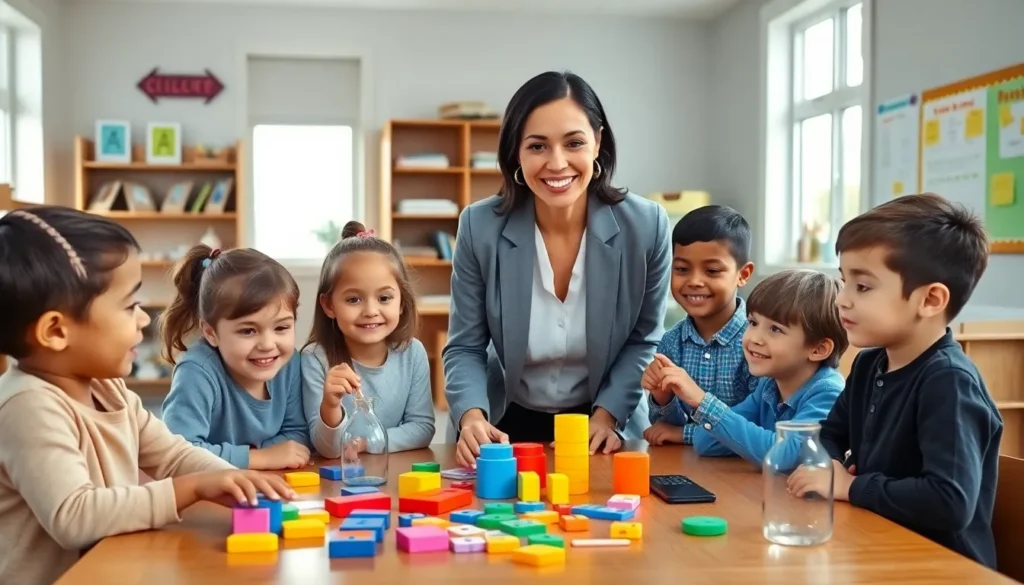

Elementary years techniques shape how children learn, grow, and engage with the world around them. These foundational years, typically spanning kindergarten through fifth grade, set the stage for academic success and personal development. Teachers and parents who apply proven methods during this critical period give children a significant advantage.
Research shows that children who receive quality instruction during elementary years perform better in middle school and beyond. The right techniques build confidence, curiosity, and essential skills. This article covers practical strategies that work in real classrooms, from hands-on learning to social-emotional development.
Table of Contents
ToggleKey Takeaways
- Elementary years techniques that prioritize hands-on learning—like manipulatives, experiments, and building projects—produce better retention and deeper understanding.
- Effective classroom management relies on clear routines, positive reinforcement, and relationship building rather than punishment.
- Social-emotional skills such as emotion vocabulary, conflict resolution, and calm-down strategies are essential elementary years techniques that predict long-term success.
- Play-based and interactive teaching methods improve motivation and creativity when balanced with direct instruction.
- Differentiation through visual supports, movement integration, and choice boards helps teachers address diverse learning styles in every classroom.
- Using multiple assessment formats gives all students the opportunity to demonstrate their learning effectively.
Building Strong Foundations Through Hands-On Learning
Children learn best when they can touch, build, and experiment. Hands-on learning transforms abstract concepts into concrete experiences that stick. Elementary years techniques that prioritize active participation produce better retention and deeper understanding.
Consider how a child learns fractions. Reading about halves and quarters from a textbook rarely creates lasting knowledge. But cutting an apple into pieces? That lesson stays. The same principle applies across subjects, science experiments beat lectures, building projects outperform worksheets.
Key Hands-On Strategies
- Manipulatives in Math: Counting blocks, fraction tiles, and base-ten materials help students visualize numbers and operations.
- Science Experiments: Simple activities like growing plants or mixing colors teach observation and hypothesis testing.
- Art Integration: Drawing historical scenes or creating maps reinforces content across disciplines.
- Building Projects: Construction activities develop spatial reasoning and problem-solving skills.
Teachers should aim for at least one hands-on activity per subject each week. This approach keeps students engaged and addresses multiple learning styles simultaneously. Elementary years techniques that combine physical activity with academic content also help children who struggle to sit still for long periods.
Effective Classroom Management Strategies
Good classroom management creates the conditions for learning. Without clear expectations and consistent routines, even the best lessons fall flat. Effective elementary years techniques for management focus on prevention rather than punishment.
Successful teachers establish routines from day one. Students know exactly what to do when they enter the room, how to transition between activities, and what behavior looks like during group work. This predictability reduces anxiety and minimizes disruptions.
Proven Management Techniques
- Clear Visual Schedules: Post daily schedules where all students can see them. This helps children anticipate transitions.
- Positive Reinforcement: Catch students doing the right thing. Specific praise like “I noticed you helped your partner” works better than generic “good job” statements.
- Consistent Consequences: Apply rules fairly and immediately. Children respond to predictability.
- Movement Breaks: Build short physical activities into the day. A two-minute stretch or dance break resets attention.
- Proximity Control: Moving near a distracted student often corrects behavior without interrupting instruction.
Elementary years techniques for management also include relationship building. Students behave better for teachers they trust and respect. Taking time to learn about students’ interests, greeting them at the door, and showing genuine care pays dividends in classroom culture.
Encouraging Social and Emotional Development
Academic skills matter, but social-emotional competence predicts long-term success just as strongly. Elementary years techniques must address the whole child, including their ability to manage emotions, build relationships, and resolve conflicts.
Children ages 5-11 experience rapid emotional development. They’re learning to identify feelings, understand others’ perspectives, and regulate their responses. Teachers who explicitly teach these skills see fewer behavior problems and stronger classroom communities.
Practical Social-Emotional Strategies
- Morning Meetings: Start each day with a circle where students greet each other and share briefly. This builds community and gives teachers a pulse on student well-being.
- Emotion Vocabulary: Teach children precise words for their feelings beyond “mad” or “sad.” Frustrated, disappointed, anxious, and overwhelmed help children communicate needs.
- Conflict Resolution Scripts: Give students specific phrases to use during disagreements. “I felt ___ when you ___” templates work well.
- Calm-Down Corners: Designate a space where students can go to regulate before returning to learning.
Elementary years techniques for social-emotional learning shouldn’t exist in isolation. Teachers can weave these skills into academic content, discussing characters’ emotions in reading, exploring historical figures’ motivations, or examining how scientists collaborate.
Using Play-Based and Interactive Teaching Methods
Play isn’t just for preschool. Elementary-age children still learn through play, games, and interactive experiences. Smart teachers harness this natural drive rather than fighting against it.
Research from developmental psychologists confirms that play-based elementary years techniques improve motivation, creativity, and retention. Games add healthy competition and immediate feedback. Collaborative play builds teamwork and communication skills.
Effective Play-Based Approaches
- Educational Games: Math games like multiplication bingo or vocabulary relay races make practice enjoyable. Students complete more repetitions willingly.
- Role-Playing: Acting out historical events, scientific processes, or literary scenes deepens understanding and engagement.
- Simulation Activities: Creating classroom economies, mock trials, or ecosystem simulations lets students apply knowledge in context.
- Partner and Group Work: Structured collaborative activities allow students to learn from peers while building social skills.
The key is balance. Elementary years techniques that rely entirely on play can lack rigor. Those that eliminate play become joyless. Skilled teachers blend direct instruction with interactive activities, matching the method to the learning goal.
Technology can enhance interactive learning when used purposefully. Educational apps and games provide practice with instant feedback. Virtual field trips expand access to experiences. But, screen time should supplement, not replace, physical interaction and hands-on activities.
Supporting Diverse Learning Styles
Every classroom contains visual learners, auditory learners, kinesthetic learners, and students with various combinations of strengths. Effective elementary years techniques account for this diversity rather than teaching to a single profile.
Differentiation doesn’t mean creating separate lessons for every student. It means presenting information in multiple ways and offering choices in how students demonstrate understanding.
Strategies for Differentiation
- Visual Supports: Use graphic organizers, charts, diagrams, and videos alongside verbal instruction.
- Auditory Options: Include read-alouds, discussions, songs, and verbal explanations.
- Movement Integration: Build physical activity into lessons through acting, building, or walking while learning.
- Choice Boards: Let students select how they’ll show mastery, a written report, a presentation, a poster, or a demonstration.
- Flexible Grouping: Change groups based on skill level, interest, or learning preference depending on the activity.
Elementary years techniques for diverse learners also require attention to students with special needs. Some children need modified materials, extended time, or additional support. Others benefit from acceleration or enrichment. Knowing each student’s needs and adjusting instruction accordingly marks the difference between adequate and excellent teaching.
Assessment variety matters too. Some students freeze during tests but shine in projects. Others express ideas better verbally than in writing. Multiple assessment formats give all students opportunities to demonstrate their learning.


