
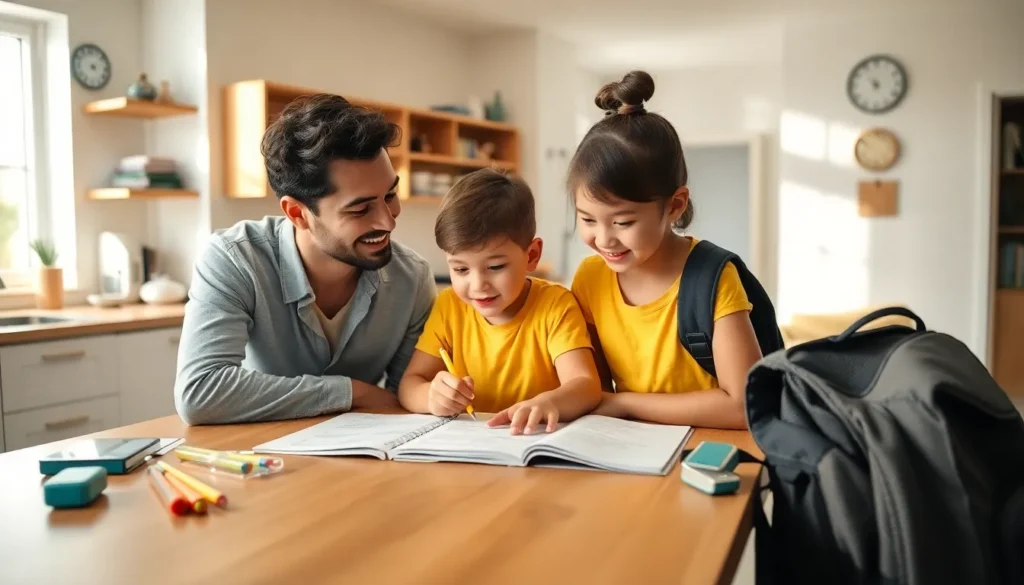

The elementary years shape how children view learning, friendships, and themselves. Parents play a critical role during this stage. Good elementary years tips can turn school struggles into steady progress. Kids ages five to eleven absorb habits, attitudes, and skills they’ll carry into middle school and beyond. This guide covers practical strategies for daily routines, academic support, emotional growth, teacher communication, and building independence. Each tip focuses on actions parents can take right now to help their child succeed.
Table of Contents
ToggleKey Takeaways
- Consistent daily routines—including nine to twelve hours of sleep—give elementary-age children the structure they need to succeed in school.
- Reading together and creating a distraction-free homework space are simple elementary years tips that boost academic progress at home.
- Teaching children to name their emotions and practice empathy builds social skills they’ll rely on throughout life.
- Strong parent-teacher communication helps catch problems early and creates a support system around your child.
- Assigning age-appropriate chores and allowing natural consequences fosters independence and responsibility before middle school.
- Encourage goal-setting and time management now so children develop self-motivation for future academic challenges.
Establishing Healthy Daily Routines
Consistent routines give elementary-age children structure. Kids perform better in school when they know what to expect each day. Start with sleep. The American Academy of Pediatrics recommends nine to twelve hours of sleep per night for children ages six to twelve. A set bedtime and wake-up time keeps energy levels stable.
Mornings matter too. Create a checklist for your child: brush teeth, eat breakfast, pack backpack, get dressed. Visual checklists work well for younger kids. Older elementary students can use a written list. This builds ownership over their morning routine.
After-school hours need structure as well. Set a specific time for assignments, snacks, and play. Many families find that assignments right after a short break works best. Others prefer to let kids unwind first. Test different approaches to find what fits your child’s temperament.
Meals also affect school performance. A protein-rich breakfast helps kids focus during morning classes. Pack lunches with fruits, vegetables, and whole grains. Avoid sugary snacks that cause energy crashes. Small changes to eating habits can improve attention and mood throughout the school day.
These elementary years tips around routines create a foundation. When children feel secure in their daily rhythm, they have more mental energy for learning.
Supporting Academic Success at Home
Home support boosts what happens in the classroom. Parents don’t need teaching degrees to help their children learn. Simple, consistent actions make a big difference.
Reading together remains one of the best elementary years tips. Even after children can read on their own, shared reading builds vocabulary and comprehension. Ask questions about the story. Predict what happens next. Discuss characters’ feelings. These conversations strengthen critical thinking.
Create a assignments space that minimizes distractions. A quiet table with good lighting, pencils, and supplies ready helps kids focus. Turn off screens during assignments time. Some children work better with background music: others need silence. Observe and adjust.
Stay involved without taking over. When your child struggles with a math problem, resist solving it for them. Ask guiding questions instead: “What do you think the first step is?” or “Can you draw a picture of the problem?” This teaches problem-solving skills rather than dependence.
Use everyday moments as learning opportunities. Cooking involves fractions and measurement. Grocery shopping teaches budgeting. Car rides can include word games or mental math challenges. Learning doesn’t stop when the school bell rings.
Track progress through report cards and teacher feedback. Celebrate improvements, not just perfect scores. A child who moves from a C to a B deserves recognition. This mindset encourages effort over natural ability.
Encouraging Social and Emotional Growth
Academic skills only tell part of the story. Social and emotional development during the elementary years affects lifelong well-being. Children learn to make friends, handle conflicts, and manage emotions during this stage.
Teach empathy through conversation. When your child describes a conflict with a classmate, ask: “How do you think they felt?” This simple question builds perspective-taking skills. Role-play difficult social situations at home. Practice what to say when someone is being left out or when a friend says something hurtful.
Help children name their emotions. Many kids act out because they can’t identify what they feel. Give them vocabulary: frustrated, disappointed, anxious, proud, excited. When children can name feelings, they can manage them better.
Encourage friendships outside school. Playdates, sports teams, and community activities expand social circles. Different settings give kids practice with varied social dynamics. A shy child might shine in a smaller group activity.
Address bullying directly. Teach your child to speak up for themselves and others. If bullying occurs, contact the school immediately. Document incidents and follow up until the situation improves.
These elementary years tips around emotional growth prepare children for the social challenges of middle school and beyond. Kids who understand their emotions and respect others’ feelings build stronger relationships throughout life.
Building Strong Communication With Teachers
Teachers see your child in ways you don’t. They observe classroom behavior, peer interactions, and academic performance daily. Strong parent-teacher communication creates a support system around your child.
Attend parent-teacher conferences prepared. Write down questions beforehand. Ask about strengths, areas for growth, and social dynamics. Teachers appreciate parents who come ready to listen and collaborate.
Don’t wait for conferences to connect. Send occasional emails checking in. Share relevant information about changes at home, a new sibling, a move, a family illness. These factors affect school performance, and teachers can respond better when informed.
Approach problems as a team. If your child struggles with reading or math, ask the teacher for specific strategies to use at home. Request extra resources or suggest a meeting with specialists if needed. Avoid blame and focus on solutions.
Volunteer when possible. Classroom help, field trip supervision, or event planning shows your child that school matters to you. It also builds relationships with teachers and other families.
Respect teachers’ time and boundaries. They manage many students and responsibilities. Keep emails concise. Schedule meetings rather than dropping in unexpectedly. This professional courtesy strengthens the partnership.
Effective communication is one of the most overlooked elementary years tips. Parents who stay connected with teachers catch problems early and celebrate successes together.
Fostering Independence and Responsibility
The elementary years prepare children for greater independence. Kids who learn responsibility now transition more smoothly into middle school, where expectations increase sharply.
Start with age-appropriate chores. Five-year-olds can set the table. Eight-year-olds can load the dishwasher. Eleven-year-olds can do laundry with supervision. Chores teach accountability and contribution to the household.
Let children make choices. What to wear, which book to read, how to spend free time, these decisions build decision-making skills. When choices have natural consequences, children learn cause and effect. A child who forgets their lunch learns to double-check their backpack.
Avoid rescuing too quickly. If your child forgets assignments, resist bringing it to school. One missed assignment teaches more than a dozen reminders. This feels hard in the moment but builds long-term responsibility.
Teach time management gradually. Use timers for assignments sessions. Help children estimate how long tasks take. Break big projects into smaller steps with deadlines. These skills prevent last-minute panic in later grades.
Encourage goal-setting. Ask your child what they want to improve this semester. Help them create a simple plan. Check in on progress regularly. Kids who set and track goals develop self-motivation.
These elementary years tips around independence require patience. Children will make mistakes. That’s part of learning. Parents who step back at the right moments raise capable, confident kids.


